
The EU's Single-Use Plastics Directive: What Packaging Professionals Need to Know
Regardless of your thoughts on plastic, it is no secret that single-use plastic (SUP) waste is one of the world’s largest contributors to terrestrial and marine litter and microplastic exposure.
In a linear production and consumption model, single-use plastic products and packaging are used by consumers and organizations for mere minutes but last in the environment for hundreds of years—leaching microplastics and toxic components throughout the process and continuing the world’s reliance on fossil fuels.
While some life cycle assessments show that some single-use plastics have lower impacts compared to alternative materials (e.g., paper, metals, and bioplastics) in certain packaging applications, there is no ignoring how single-use plastics impact human health and ecosystems, or the fact that they have a lower recycling rate compared to competing substrates.
The issue of single-use plastic waste has garnered international attention, leading to an agreement of the United Nations Environmental Assembly (representing 175 nations) to mandate an “internationally legally binding instrument” for curbing plastic pollution—dubbed the UN Plastics Treaty.
While the treaty has not yet been established, the Intergovernmental Negotiating Committee on Plastic Pollution (INC) is responsible for designing and implementing a treaty, hosting INC events since March of 2022, with the most recent event (INC 5.2) running from August 5 to August 14, 2025 in Geneva, Switzerland.
Intro to the Single-Use Plastics Directive
Aside from the United Nation’s rather aspirational efforts to mandate a plastic reduction treaty across 175 nations, the European Union is taking a more regional approach through the use of the Single-Use Plastics Directive (Directive 2019/904)—officially adopted June 5, 2019.
The Single-Use Plastics Directive is a law in the European Union that bans certain single-use plastic products with alternatives that are “easily available and affordable” and creates compliance requirements for products without alternatives, including design requirements (like tethered caps), labelling requirements, and waste management programs (like Extended Producer Responsibility).
Like most EU Directives, this one sets the minimum requirements and framework for EU Member States to transpose into their own legal systems—often including additional requirements that are not in the core directive.
For example, Germany’s adoption of the Directive comes in the form of the Single-Use Plastics Fund Act (EWKFondsG)—known as the “plastic tax.” If you are a brand that sells into numerous EU markets, it is essential to understand how the Directive has been transposed into each of the 27 Member States.
The Directive covers the following single-use plastic products:
Cotton bud sticks
Cutlery, plates, straws, and stirrers
Balloons and sticks for balloons
Food containers
Cups for beverages
Beverage containers
Cigarette butts
Plastic bags
Packets and wrappers
Wet wipes and sanitary items
If you’re wondering how these 10 products were singled out in light of the hundreds to thousands of products made using single-use plastics, according to the European Commission, it’s because they make up the “10 most commonly found single-use plastic items on European beaches, alongside fishing gear” and represent over 70% of all marine litter in the European Union.
This is supported by a 2019 report published by the Commission, titled Turning the Tide on Single-Use Plastics, which found:
80–85% of marine litter found on Europe’s beaches is plastic-based
50% of EU marine litter consists of single-use plastic items—27% is fishing gear that contains plastic
~13 billion Euros of damage per year to global marine ecosystems is caused by plastic pollution
~630 million Euros per year is estimated loss caused by plastic to European tourism and coastal communities
The new rules (in Directive) cover 70% of all marine litter found on EU beaches, which is made up of the top 10 single-use plastics (43%) and fishing gear containing plastic (27%)
So, which of the 10 are seen to have viable alternatives, and therefore, cannot be placed on the markets of EU Member States?
The EU Commission states:
“Where sustainable alternatives are easily available and affordable, single-use plastic products cannot be placed on the markets of EU Member States. This applies to cotton bud sticks, cutlery, plates, straws, stirrers, and sticks for balloons. It will also apply to cups, food and beverage containers made of expanded polystyrene, and on all products made of oxo-degradable plastic.”
So according to the European Union, these products have “easily available and affordable” alternatives.
For example, there are a number plastic-free straw brands emerging around the EU and world that are seen as accessible and available, meaning single-use plastic straws cannot be placed on the market in any of the 27 EU Member States.
For the remaining products covered by the Directive—balloons, cigarette butts, packets and wrappers, wet wipes and sanitary items, and cups, food, and beverage containers made of plastics other than EPS and oxo-degradable plastic—the EU is focused on “limiting their use” through the following measures:
“Reducing consumption through awareness-raising measures”
“Introducing design requirements, such as requirements to connect caps to bottles”
“Introducing labelling requirements, to inform consumers about the plastic content of products, disposal options that are to be avoided, and harm done to nature if the products are littered in the environment”
“Introducing waste management and clean-up obligations for producers, including Extended Producer Responsibility (EPR) schemes”
Aside from these requirements, the EU Commission also highlights two specific targets related to plastic bottles:
A 77% “separate collection target” for plastic bottles by the year 2025, rising to 90% by the year 2029
Incorporating 25% of recycled plastic in PET beverage bottles by the year 2025, rising to 30% in all plastic beverage bottles by the year 2030
The objectives of the SUP Directive include:
Preventing and reducing the “impact of certain plastic products on the environment, in particular the marine environment, and on human health”
Promote the transition to a circular economy with “innovative and sustainable business models, products and materials, therefore also contributing to efficient functioning of the internal market”
The Directive's Scope: Who and Where is Covered?
As it is a European Union Directive, the Single-Use Plastics Directive impacts all brands and companies who decide to sell covered products, packaging, etc. into EU member states, regardless of where the company is operating.
For example, you are a CPG brand based in Maryland, USA selling or distributing products in plastic water bottles and other plastic packaging formats to EU markets—like France or Germany.
In this case, the US company would have to comply with the Directive as a whole, based on how each country has adopted the Directive into their national law (like Germany’s EWKFondsG). If the products sold into EU Member Countries aren’t banned outright (e.g., PET bottles), then the importer, brand, or distributor must comply with design and labeling requirements, EPR programs, and more.
As all EU laws and Directives, the Single-Use Plastics Directive has power in the 27 EU Member States on the map below.
.png)
Keep in mind that other nations may join the European Union, with Ukraine, Bosnia and Herzegovina, Georgia, Moldova, Montenegro, North Macedonia, Türkiye, and Serbia currently have “candidate country” status (marked in orange).
The nations in yellow—Iceland, Norway, and Liechtenstein—are not in the EU but in the European Economic Area, meaning they are part of the EU’s single market but do not comply with all EU programs. Since they are EEA countries, they comply with the Single-Use Plastics Directive.
Aside from "candidate” countries, nations like the United Kingdom, Norway, and Turkiye have their own EPR, single-use plastic, and other packaging laws to be aware of.
Regardless of their EU affiliation, in order to sell covered products into any of the markets in green (EU Member States), non EU nations in Europe and around the globe must comply with Single-Use Plastics Directive mandates.
Packaging-Related Alternatives to Aid in the Transition
While the SUP Directive covers a number of product categories, we, as a packaging school, wanted to highlight “easily available and affordable” alternatives to single-use plastic packaging covered by the Directive.
Since July 2021, the following packaging-related products have been banned from the market in EU Member States by the Directive:
Single-use straws
Single-use cups, food and beverage containers made of expanded polystyrene
All single-use products made of oxo-degradable plastic
In the eyes of the EU, the products above have alternatives that are readily available and cost effective, paving the way for innovations from small brands and multi-national enterprises to fill the gap left behind by single-use plastic products and packaging.
Let’s explore three alternatives for the banned single-use plastic products above.
Paper Straws by Tetra Pak
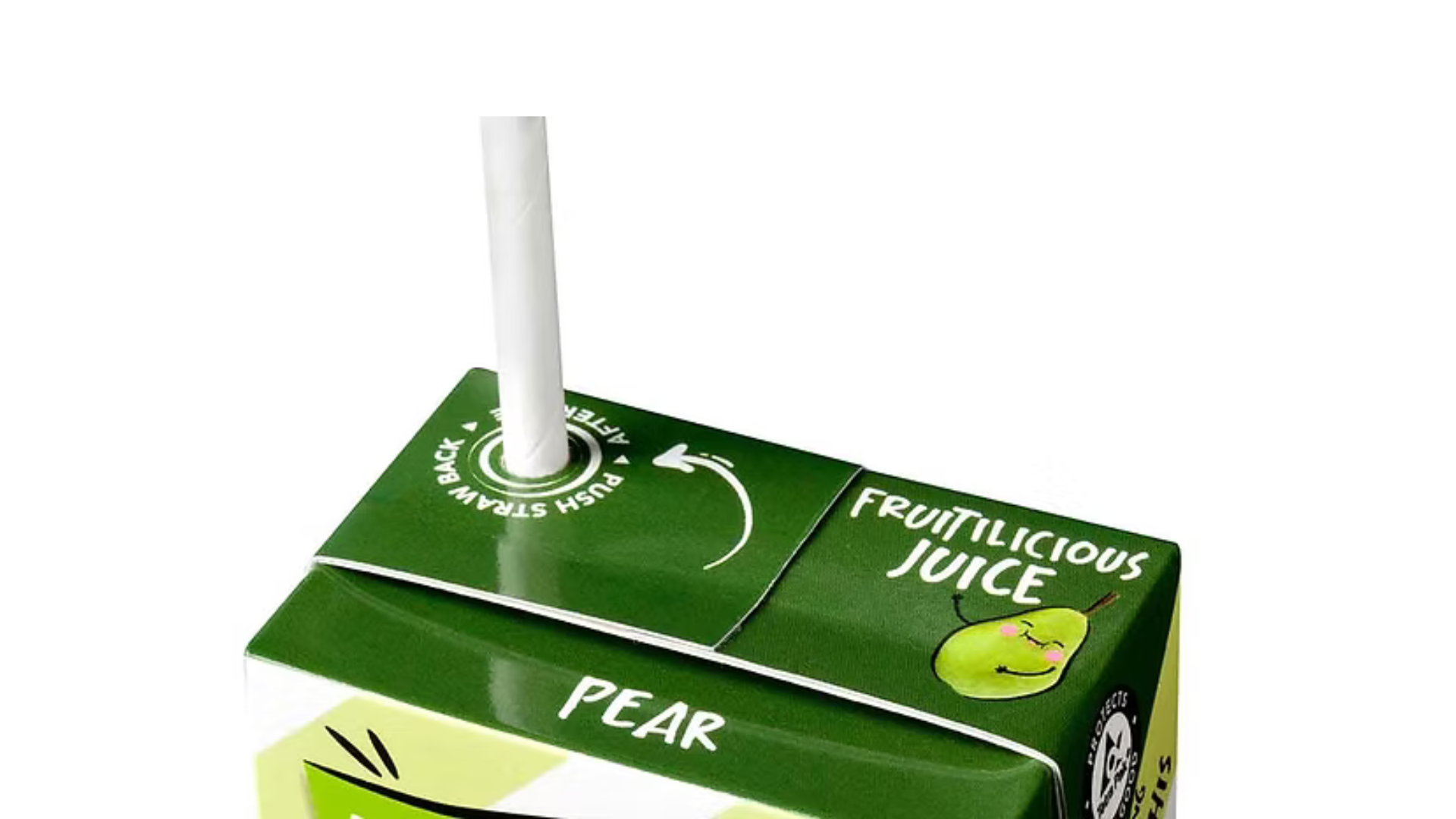
Photo from Tetra Pak
Switzerland-based Tetra Pak is known for its aseptic packaging solutions and creating the world’s first “fully plant-based carton” (Tetra Rex), but did you know they also create paper straws?
According to their site, Tetra Pak offers U-shaped and telescopic paper straws made of paperboard sourced from Forest Stewardship Council (FSC)-managed forests.
Since they are 100% paper and contain no plastic, the straws serve as an alternative to single-use plastic straws banned by the Directive as of July 2021.
Seaweed-Based Food Containers by Notpla
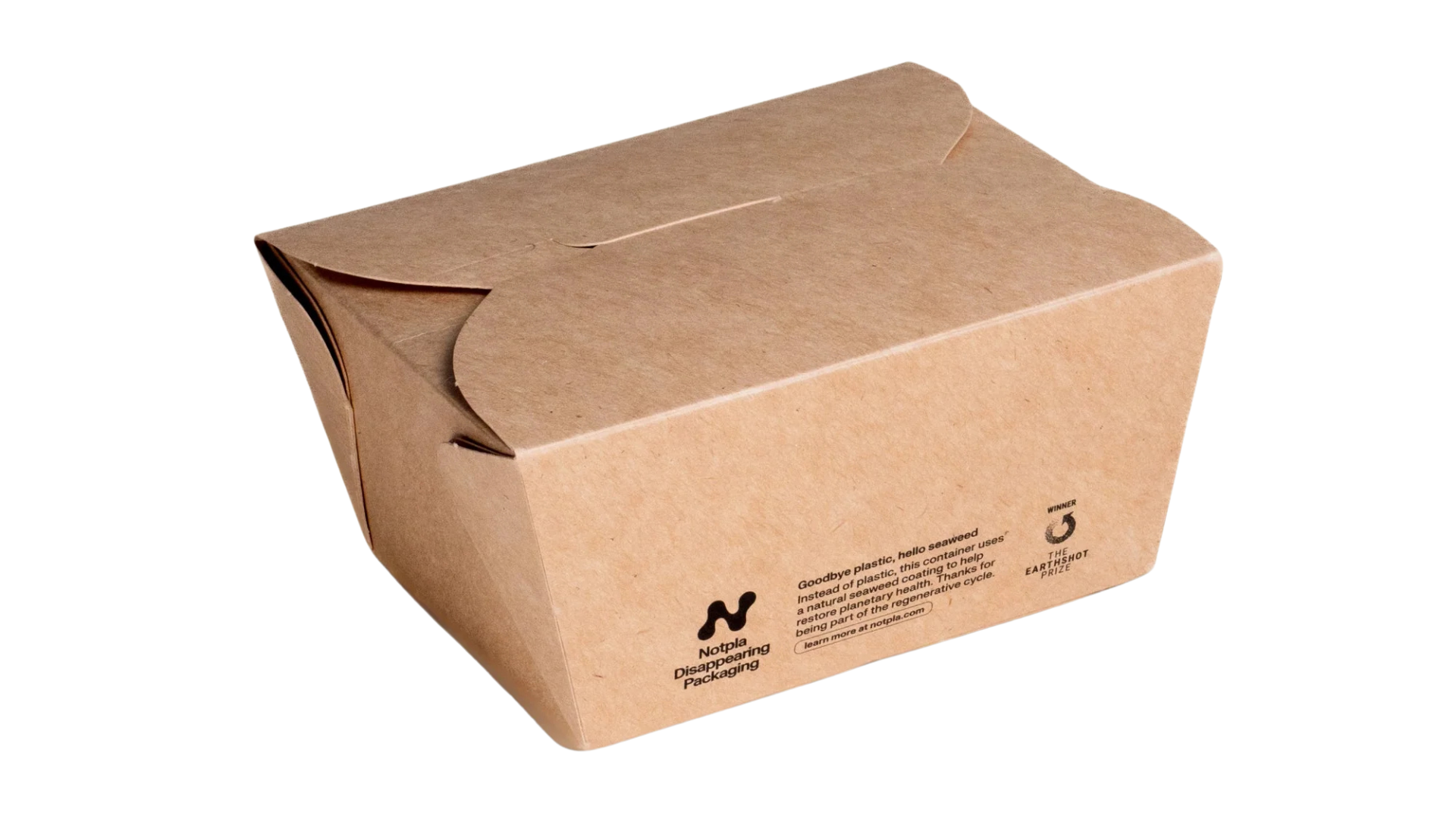
Photo from Notpa
Notpla is a UK-based company focused on creating plastic-free, home compostable, and low-impact packaging alternatives for conventional plastic packaging solutions by utilizing biopolymers found in seaweed.
One of their solutions is a seaweed-based takeout container, created to present an alternative to expanded polystyrene (EPS) takeout containers. Notpla’s solutions are recyclable in most paper waste streams and have no toxic components.
We covered Notpla’s EPS alternatives in a blog from January 2025, learning that the team ensures their solutions are compliant with the SUP Directive and won the Earthshot Prize in 2022 for replacing “3.5 million units of plastic food containers.”
Other notable EPS alternatives that are likely compliant under the Directive are Green Cell Foam by TemperPack, Cruz Foam’s products, and Ecovative’s Mushroom Packaging.
Next time you visit an EU nation (or if you live in one!), take a look at what your takeout food and single-use beverage containers are packaged in. The Directive not only reduces reliance on single-use plastics and litter, but also serves as a catalyst for brands like Notpla and others to meet market demand with plastic-free and circular packaging solutions.
Bags Made from Fallen Leaves by Releaf Paper
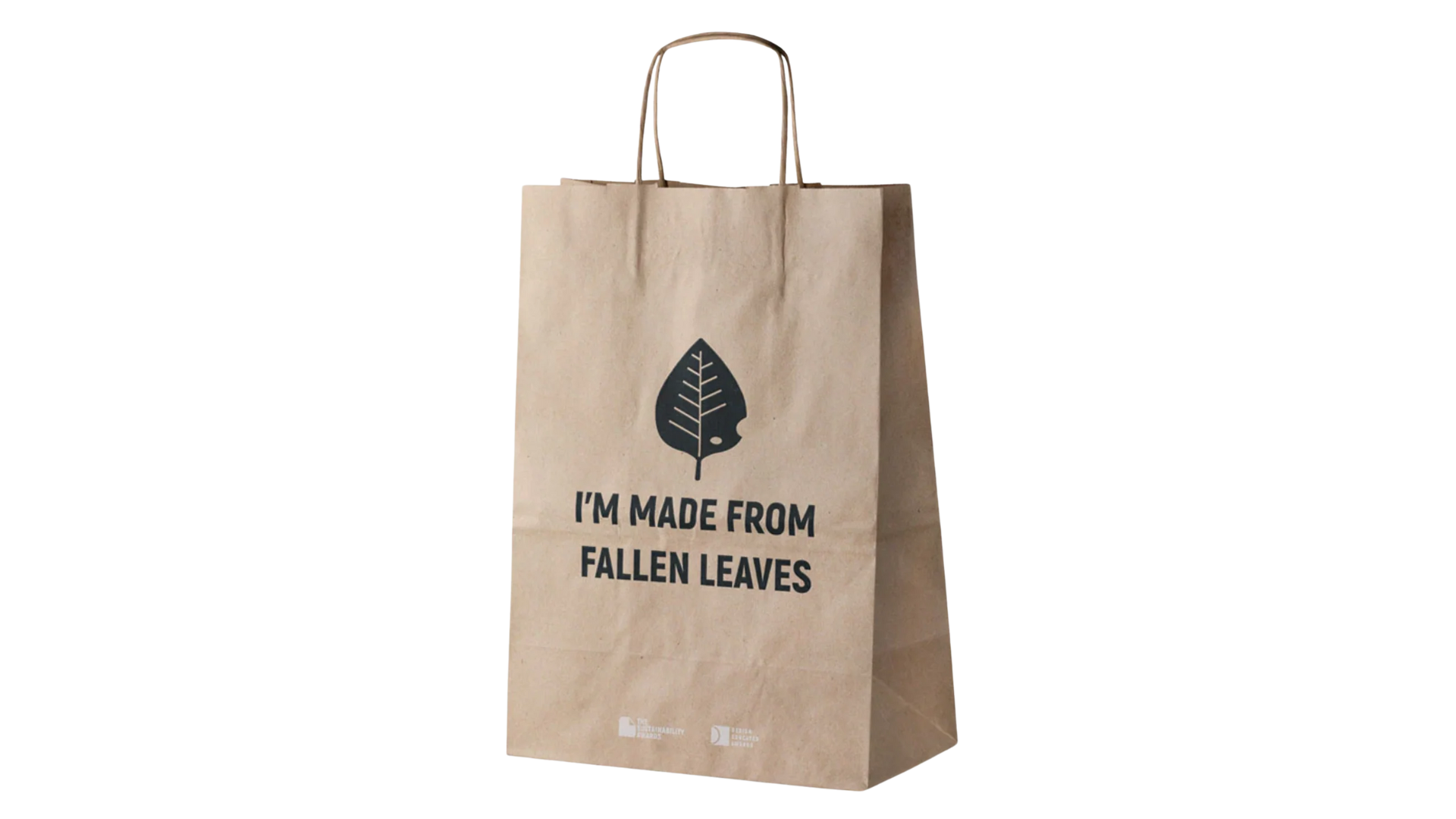
Photo from Releaf Paper
As highlighted earlier, the EU’s Single-Use Plastics Directive bans oxo-degradable plastics and packaging—plastics that are engineered to break down into smaller components when exposed to sunlight and oxygen (oxidation).
Sounds good, right? Well, not entirely, as oxo-degradable plastics often contain toxic additives that speed up the oxidation process and are still culprits in exposing terrestrial and aquatic ecosystems to microplastics, etc.
Packaging-related products that are often made of oxo-degradable plastic include plastic shopping bags, film wrap, bread and produce bags (at grocery stores), and more. For the sake of this lesson, we will explore a Directive-compliant alternative for plastic shopping bags and takeout bags—Releaf Paper’s bags made of fallen leaves.
Releaf Paper is a Ukraine-based packaging startup founded by entrepreneur Alexander Sobolenko and focused on creating single-use plastic packaging and bag alternatives made of the fibers from upcycled leaves collected in cities and urban areas across Ukraine and Europe.
Despite being a relatively new player in the packaging world (founded in 2021), Releaf Paper has already made its mark on the industry in the EU, including a partnership with UberEats in France, part of the Paris Innovation Pilot program.
The Paris Innovation Pilot program is an Uber initiative to invest $1 million USD to help Parisian restaurants transition to plastic-free, sustainable alternatives for delivery and takeout—the involvement of Releaf Paper’s bags was announced at Uber’s Go Get Zero 2024 event in London.
Sobolenko was featured in a Packaging Gateway article on the partnership, stating:
“By using fibers from fallen leaves, collected by public utilities in urban areas, we transform waste into eco-friendly materials that are both beautiful and functional. This innovative approach reduces deforestation and carbon emissions, contributing to a more sustainable future. We hope that announcement at Uber’s Go Get Zero event is just the beginning.”
By creating packaging solutions that are plastic-free, free from deforestation in its supply chain, and circular, Releaf Paper is positioning itself to be a key player in filling the gap left by single-use and oxo-degradable plastic packaging and bags in the face of the SUP Directive and other EU packaging-related regulations (PPWR/PPWD, EUDR, etc.).
As can be seen from the exploration of Notpla and the other alternatives covered, it is essential to look into the actual markets (countries) in the EU where you plan to sell products / packaging, as each member country transposes the law in different ways and might have different restrictions.
Learn More About Evaluating Sustainable Packaging Solutions
At The Packaging School, we believe there is no one-size-fits-all approach when it comes to sustainable packaging solutions. Each substrate—from plastic to paper and everything in between—has its own trade-offs, strengths, and important considerations to take into account.
Interested in developing a data-driven approach so your team can remain “material agnostic” and evaluate alternative packaging systems?
Check out our online Certificate of Sustainable Packaging (CSP), a program designed to help packaging professionals navigate the trade-offs involved with sustainable packaging development and management—including a hands-on module covering how to use leading packaging life cycle assessment (LCA) software to compare packaging systems on key environmental performance metrics (e.g., emissions, water use, eutrophication).
By signing up you indicate you have read and agree to our Terms of Use. Packaging School will always respect your privacy.
