
Unconventional Paths to Packaging: Psychology Majors

When you hear the word “packaging” what comes to mind?
Perhaps piles of Amazon boxes on your doorstep or bags you grab at the grocery store checkout line?
What if we told you packaging is actually a trillion dollar industry that employs hundreds of thousands of professionals around the globe and is an industry that blends sustainability, consumer behavior and ergonomics, engineering, and more?
The packaging industry is arguably one of the most interdisciplinary fields, employing professionals with an array of skills and educational backgrounds.
We see this firsthand at The Packaging School. Since our founding in 2015, our team has trained 15,000+ packaging professionals around the world, spanning hundreds of different undergraduate and graduate majors.
Our core team reflects a microcosm of the industry, with undergraduate backgrounds that include:
BFA in Communication Design
BA in English & Creative Writing
BBA in Marketing Management
BS in Chemistry
BFA in Communication Design
BBA in Management Information Science
BFA in Design & Visual Communications
BS in Packaging Science
BS in Packaging Engineering
BS in Communication & Media Studies
BS in Packaging Science
Not listed above but a major with numerous applicable skills to a career in packaging—psychology!
The rest of this article will explore three reasons why psychology majors are a strong candidate for success in the packaging industry.
Strong Understanding of Consumer Behavior and Preferences

At its core, packaging design and management is about understanding consumer behavior in order to create solutions that stand out on store shelves and drive sales. As a result, packaging is often referred to as “the silent salesperson.”
With their enhanced understanding of the human condition, psychology majors are well equipped to assist packaging and marketing teams in knowing how to appeal to consumer preferences with packaging design.
When packaging teams and agencies overlook the role of consumer psychology in packaging design and redesign, they can face major consequences. An often cited example is Tropicana’s troubles with packaging redesigns, launching two lackluster designs since 2009—the first leading to a loss of $50 million USD. A psychology major could dive into consumer behavior data and potentially flag a misfiring before new packaging designs come to fruition.
Through coursework, psychology majors understand human factors and how to design systems that align with human needs and preferences.
For Example:
A psychology major on a packaging team for a CPG brand could focus on researching and analyzing consumer behavior and preference data through surveys, consumer studies, and other forms of research. Since psychology majors understand the human psyche, they know what can grab the attention of a consumer. Applying these insights to packaging design, the major could leverage the biophilia hypothesis which suggests humans have an inherent bent to engage with other forms of life. This would lead to the incorporation of some form of nature into a packaging design—we cover this and more in our Leveraging Human Factors in Packaging Design course.
With experience diving into consumer psychology data, psychology majors in the industry can help bring clarity to how both new and current designs connect with consumers at a deeper level.
Fresh Approaches to Ergonomics and Accessible Design
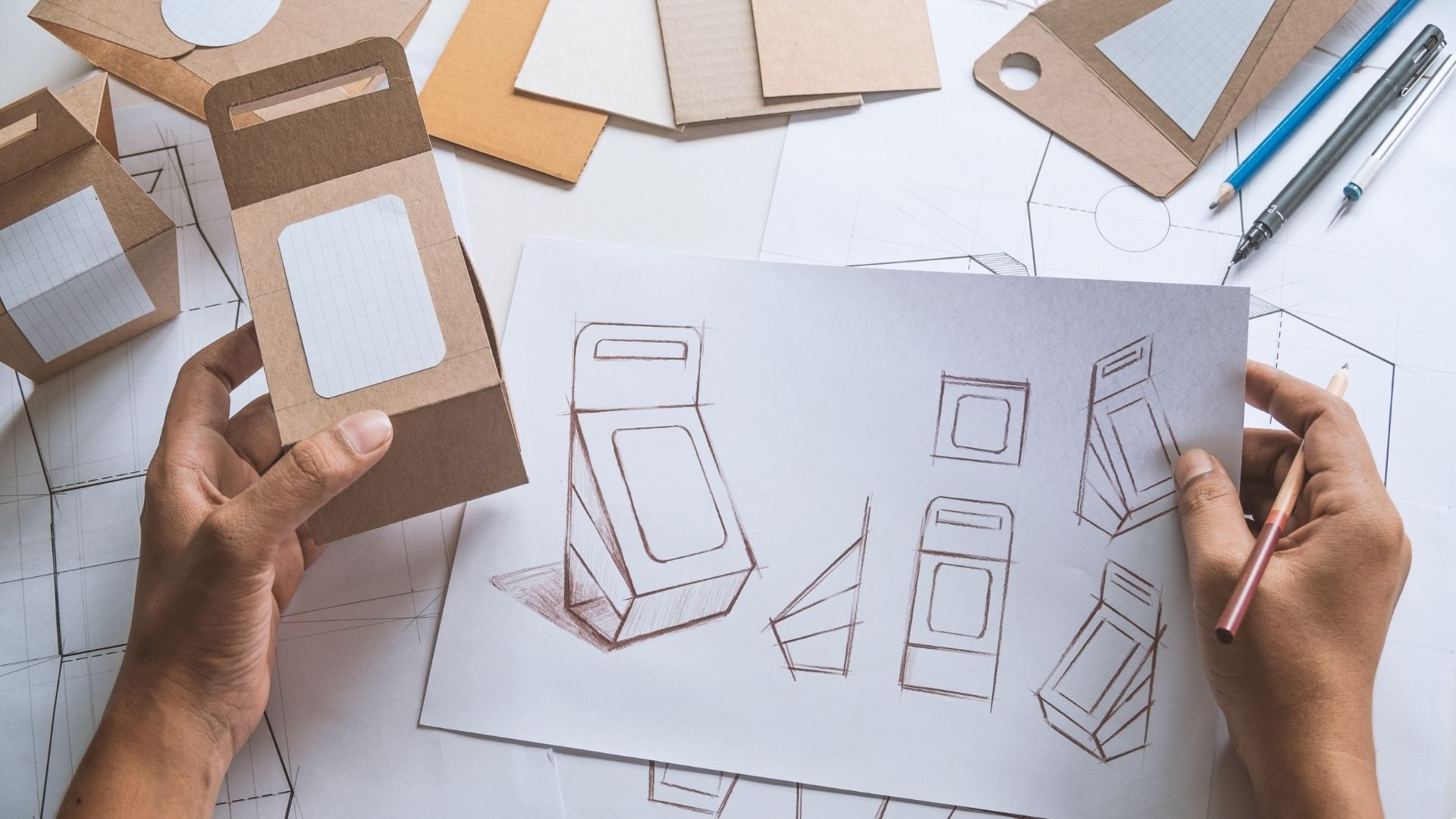
Psychology majors are also well suited to integrate ergonomic and accessibility research into packaging design and management practices. Alongside an understanding of human factors, psychology majors are trained to develop a strong sense of empathy and inclusion—empowering them to contribute to accessible design solutions.
Accessibility and ergonomics are core to packaging development in 2026 and beyond. Long gone are the days when brands could design packaging solutions to merely protect a product and keep operating costs low. Brands, no matter the size or industry, are expected to ensure products and packaging are designed with sustainability, ergonomics, and accessibility in mind.
And designing for accessibility isn’t just the right thing to do—it’s good business practice. According to the CDC, in the US alone, 7 million people have vision impairment—with 1 million of those individuals experiencing blindness. The CDC also notes that 58 million Americans have arthritis, which represents 16.6% of the total US population.
Psychology majors armed with an understanding of human behavior, ergonomics, and accessibility can help ensure packaging teams design solutions that appeal to, and make life easier for, as many consumers as possible.
For Example:
A psychology major on a packaging team would be able to fuse consumer behavior data and an understanding of accessibility to upgrade packaging systems to reach consumers who have difficulty opening certain types of packaging. Through research, they notice a core part of their target audience experiences mild to severe arthritis. Armed with this knowledge, they work with the lead packaging engineer to align a redesign with the Arthritis Foundation’s Ease of Use Guides.
Packaging teams today face major challenges ensuring designs are both ergonomic and accessible; a psychology major armed with empathy and research skills could be a vital asset to teams across industries.
Incredible Analytical and Research Skills

A foundational part of any psychology undergraduate program is the development of qualitative and quantitative research skills and the ability to find correlations between data and human behavior.
These skills are essential for packaging design and development as well. Many CPG brands conduct consumer research to measure the impact of packaging design before making million-dollar investments to produce them at scale. An example of this is using biometric testing, such as eye tracking technology, to assess what consumers look at when browsing store shelves.
Other consumer research methods deployed in the packaging industry include:
Consumer use and end-of-life surveys
Focus groups and interviews
Ethnography and observational studies
For Example:
A psychology major could analyze data from numerous packaging studies (eye tracking study, focus group, survey, etc.) and fuse them to gain deeper insights on how consumers interact with a packaging system in a retail environment. With their research and analysis skills, the psychology major could write up a report to guide the packaging design team on potential upgrades for more ergonomic and appealing packaging.
Packaging teams need professionals who can bring fresh consumer research and analysis methods to the table. As research methods continue to evolve, a psychology major is uniquely positioned to present new methods and use them as a guide to more accessible and ergonomic packaging systems.
Take a Leap into the Packaging Industry
If you’re a psychology undergraduate major with the skills above and are looking for a new career path, make the bold move to packaging and help packaging teams understand consumer psychology as it relates to the industry.
Joining a new industry can be overwhelming, but with The Packaging School’s online courses and certificate programs, diving into a career in the packaging industry has never been easier.
Since our founding in 2015, we’ve trained 15,000 professionals in all things packaging science, design, and management (including psychology majors).
Not sure where to start? Set up a 15-minute call with our Academic Director—Dr. Julie Rice Suggs—at the link here.
By signing up you indicate you have read and agree to our Terms of Use. Packaging School will always respect your privacy.
