
Top 3 Packaging Material Innovations from Universities Around the World
Nick Riedl (Video Editor & Creative Lead):
It’s officially back-to-school season!
As millions of university students around the world prepare to start a new semester, we wanted to take a closer look at the role higher education institutions play in pioneering new packaging material innovations.
From reducing the reliance on single-use plastics to reimagining what was once considered waste as a resource, these innovations put circular thinking in action.
In this video, we’ll explore new packaging materials developed by universities across three continents. Then, we’ll hear from our founder, Dr. Andrew Hurley—a Professor of Packaging Science at Clemson University—on how to evaluate new packaging material breakthroughs and identify which have the greatest potential to move from university lab to commercialization.
So, let’s dive in. To start, we’re heading to South Dakota!
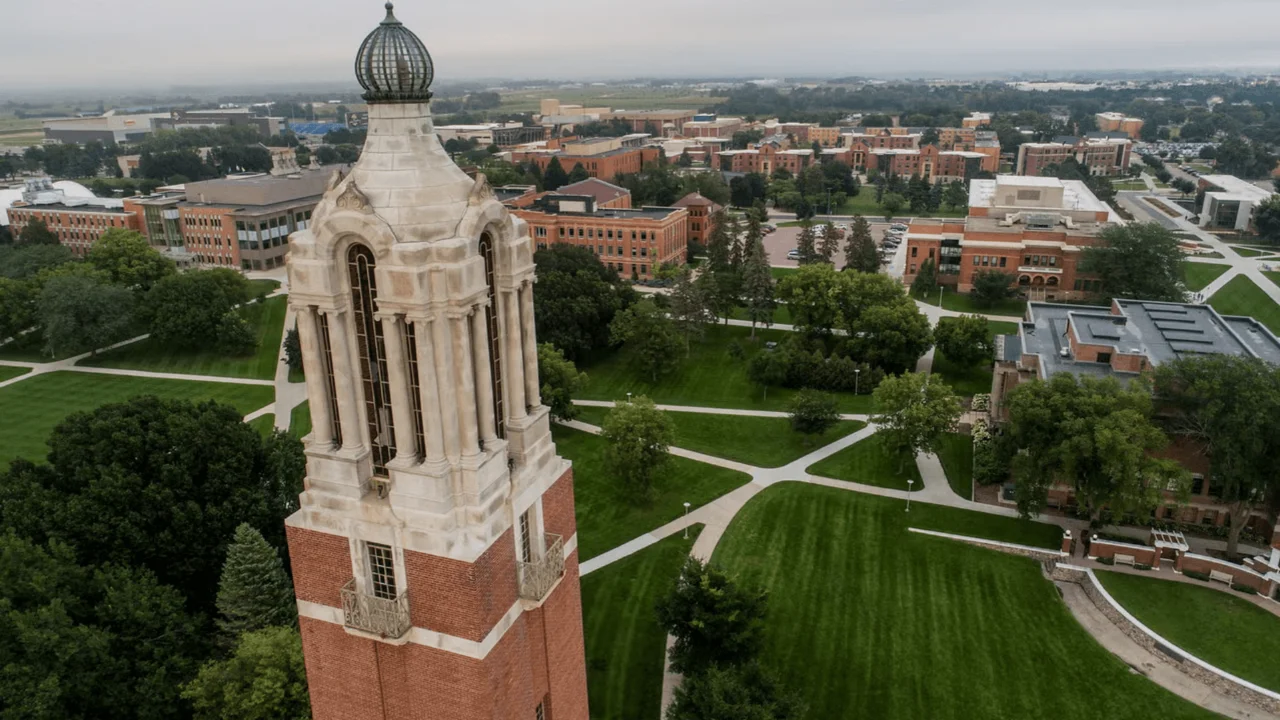
South Dakota State University | Coffee-Based Bioplastic
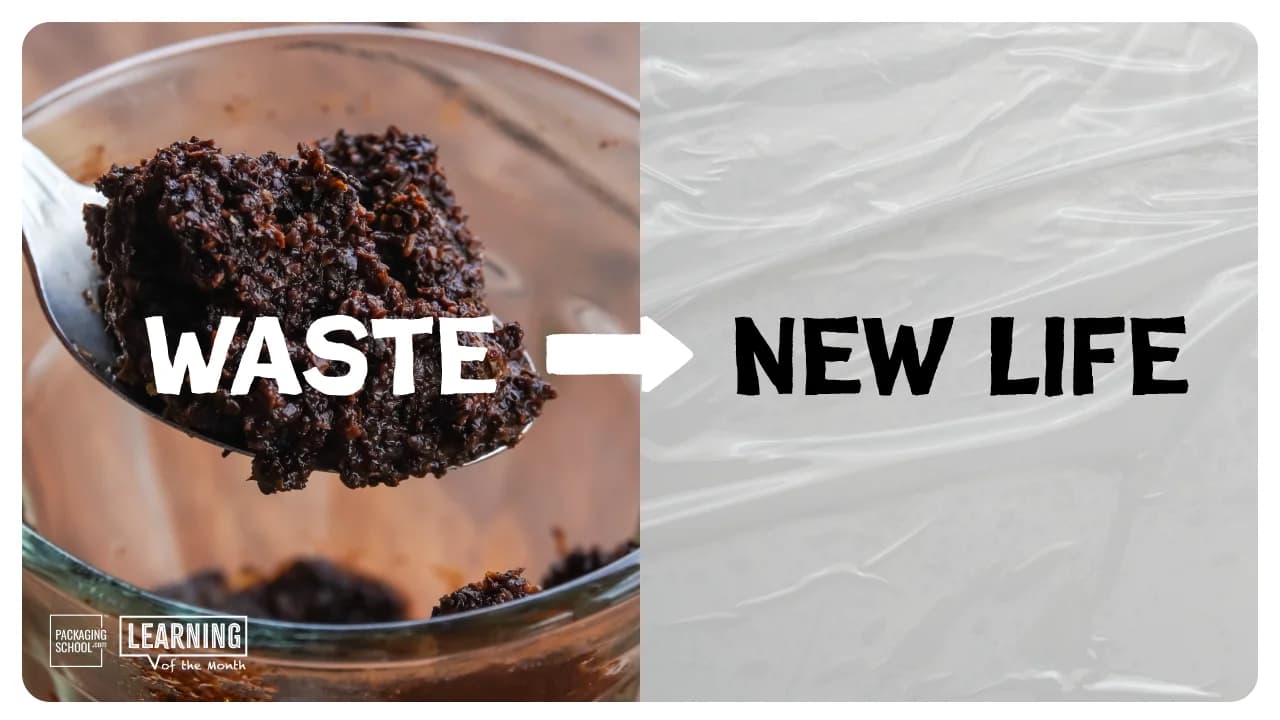
Did you know that coffee is one of the most traded commodities in the world? With approximately 2 billion cups of coffee consumed worldwide each day, nearly 8 million tons of spent coffee grounds are sent to landfills each year. But what if that waste could become the raw material for biodegradable packaging?
A research team at South Dakota State University led by Dr. Srinivas Janaswamy—Associate Professor of Food Chemistry—published a study exploring the potential to upcycle used coffee grounds into biodegradable films that could replace single-use plastics in select packaging applications.
The team developed a complex process that extracts lignocellulosic fibers from spent coffee grounds and modifies them to improve their performance in packaging applications. The resulting coffee-based films are said to break down in just 45 days in a home composting environment, while conventional plastic films can take centuries to degrade and may shed microplastics in the process.
Dr. Janaswamy, was quoted in a Packaging World article, stating:
"The potential for plastic-replacing films from the widely discarded but plentiful and sustainable spent coffee grounds remains unscathed and exciting toward value creation."
The next time you brew coffee at home, try to envision a world where the used grounds are collected and transformed into plastic alternatives.
But before we move on, you might be wondering—how is this even possible?
In simple terms, spent coffee grounds contain cellulose—about 10% of their dry weight. Instead of relying on synthetic polymers derived from oil, researchers are exploring ways to use this naturally occurring cellulose as a biopolymer for packaging applications.
Up next, let’s head south to Chile!
Chile Adventist University | Upcycled Grape Stems
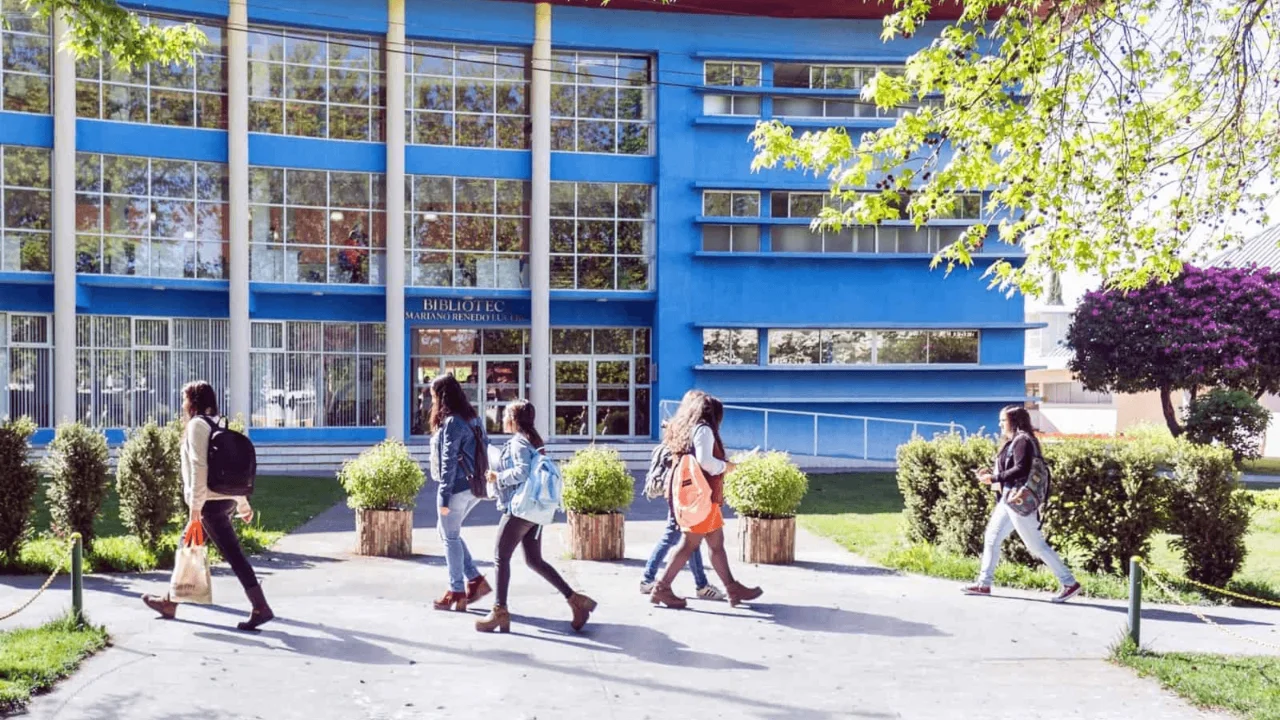
Chile Adventist University is the next university on our list.
Instead of coffee byproducts, Dr. Marcela Jarpa Parra and her students at Chile Adventist University turned their attention to grape stems—a major source of agricultural waste in the wine industry.
Chile’s Ñuble Region is home to the Itata Valley, which boasts more than 500 years of winemaking history. Today, the wine industry accounts for approximately 0.5% of Chile’s GDP and 16.5% of the country’s agricultural exports. Those figures inspired the research team to explore ways to upcycle grape stems—which are typically burned after harvest, contributing to air pollution.
Their project—Ñuble Ecopacks—explores the development of berry packaging made from biomaterials that reduce impacts, preserve shelf life, and create a valuable new use for grape stem waste.
Based on the information available, it appears the researchers extract cellulose, lignin, or both from the grape stem and incorporate those natural polymers into the packaging material.
According to Adventist News, the new material offers several promising properties, including:
Antimicrobial properties that help maintain food quality and reduce spoilage, with berries reportedly remaining stable for up to 14 days without notable changes
Compostable
No toxins or microplastics
The project lead was quoted in the article as saying:
"In this way we are managing to introduce a new material that will completely replace the plastics used in the berry industry."
Chile Adventist University demonstrates how local industry waste can be redirected into feedstocks for new packaging biomaterials.
Next, we’re off to China!
Northeast Forestry University | Bamboo-Bioplastic
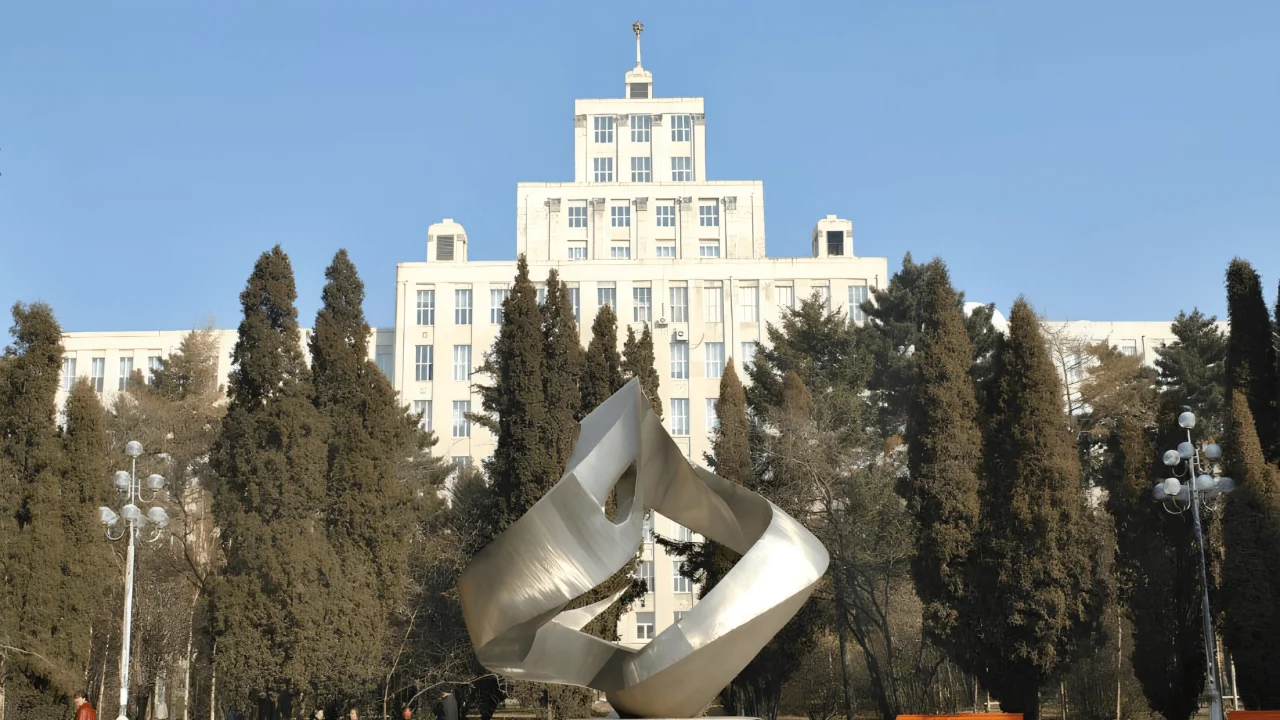
Our final stop on this journey takes us to Harbin in northeast China!
Aside from hosting the world-famous Ice and Snow Festival, Harbin is also home to Northeast Forestry University.
InterestingEngineering.com published a story on BM-plastic—a bamboo-based bioplastic created by a research team at the university.
According to the article, the researchers developed a nontoxic, alcohol solvent-based process to dissolve bamboo cellulose at the molecular level. That cellulose can then be used as a biopolymer to produce a tough, biodegradable plastic material.
The material was evaluated alongside polylactic acid (PLA)—a leading corn-based bioplastic—as well as polystyrene (commonly known as Styrofoam), and other conventional plastics and bioplastics.
Speaking on the material’s performance, the research team was quoted in Nature Communications:
"The BM-plastic outperforms most commercial plastics and bioplastics in mechanical and thermo-mechanical metrics while maintaining full biodegradability in soil within 60 days and closed-loop recyclability with 90% retained strength."
Like Chile’s work with grape stem waste, Northeast Forestry University’s research also focuses on transforming locally abundant biomass into raw materials for compostable packaging.
Bamboo covers 7.56 million hectares across China—an area roughly equivalent to the country of Panama. The bamboo processing industry spans more than 10,000 processing facilities across 20 provinces, providing an abundant supply of feedstock should BM-plastic move toward commercial production.
Dr. Hurley's Tips for Evaluating New Packaging Materials
Now, let’s head back to Clemson University to hear from our founder, Dr. Andrew Hurley. He’s left us with three tips for evaluating which new materials have the greatest potential to successfully transition from the lab to the shelf:
"Universities serve as an ideal platform for the exploration of innovative material concepts. Many professors are continually pursuing funding for research projects—which could include developing your next breakthrough material. They have access to substantial capital equipment and regularly develop materials in their laboratories to achieve specific functional objectives. Be sure to ask about the university’s intellectual property (IP) policy. Many institutions allow companies to license useful technologies developed through university research for a set fee."
"Professors are typically enthusiastic about exploring and developing new materials. They value flexibility in their approach to creating your desired outcomes. One effective strategy to ensure that your innovation is designed for scalability is to involve your manufacturer or co-packer in the conversation with the professor (and grad student). These individuals possess valuable industry experience and can assist in establishing parameters that align with production realities. The professor will appreciate having your manufacturer or supplier provide practical input on ideas. However, it is important to note that manufacturers and suppliers have a deep understanding of their processes, which can make them rigid and less susceptible to risk. Therefore, it is advisable to keep conversations focused on quantitative parameters (e.g., run speed, operating temperatures). While emotions and opinions are valuable, it is crucial not to let a “no” or “impossible” statement hinder the project’s progress."
"While leading research universities, such as Clemson University, have extensive capabilities for creating a wide range of materials and processes, it is crucial to recognize that initial volume costs for new materials, processes, and technologies can be significantly higher than current investments. Can you accommodate a potential 10x increase in initial short-term costs? Additionally, it is important to consider that others, including your competitors, may also be interested in your innovation and may be willing to invest to increase order quantities, thereby reducing your new costs and creating a new revenue stream for your organization!"
Learn to Evaluate New Materials with a Life Cycle Assessment (LCA)
Thank you for joining us on our world tour of university-based packaging material innovations!
We hope Dr. Hurley’s insights leave you feeling more confident in evaluating which material breakthroughs are worth following—and which are better viewed as promising concepts that may still face challenges scaling to commercial production.
Dr. Hurley also recommends conducting life cycle assessments (LCAs) on packaging systems that incorporate new materials to better understand environmental trade-offs and support data-driven decision-making.
Not sure how to conduct a comparative LCA on packaging? Don’t sweat!
Our online, self-paced Certificate of Sustainable Packaging (CSP) includes hands-on software training that walks you through the process.
By signing up you indicate you have read and agree to our Terms of Use. Packaging School will always respect your privacy.
