
Alumni Stories: The Certificate of Sustainable Packaging
In this blog, we explore Martin Settle's experience with our Certificate of Sustainable Packaging (CSP) program. Martin is the Senior Manager of Polymer Science, Sustainability & Packaging at reckitt—a UK-based company specializing in health, hygiene, and nutrition products, with brands like Durex, Lysol, and more.
What is the Certificate of Sustainable Packaging (CSP)?
Since December 2023, the Packaging School has offered the Certificate of Sustainable Packaging (CSP)—a 40-hour, asynchronous program designed to help packaging professionals navigate the trade-offs of different packaging materials, processes, etc.
The CSP empowers you to understand sustainable packaging design from concept to end-of-life, focusing on six key objectives:
Define the key terminology to speak the language of sustainable packaging with all stakeholder groups
Construct packaging-related sustainability goals and targets based on the UN's Sustainable Development Goals (SDGs) and other voluntary sustainability reporting frameworks (GRI, TNFD, SASB, etc.)
Develop sustainable system designs (on a material level)
Measure the carbon footprint of your packaging
Navigate and select relevant offset programs
Learn how to use life cycle assessment (LCA) software (COMPASS) to identify environmental impact hotspots and compare primary, secondary, and tertiary packaging systems through a data-driven process
To take a closer look at the impact of the CSP, let's explore Martin's experience with the program.
Martin's Experience with the CSP
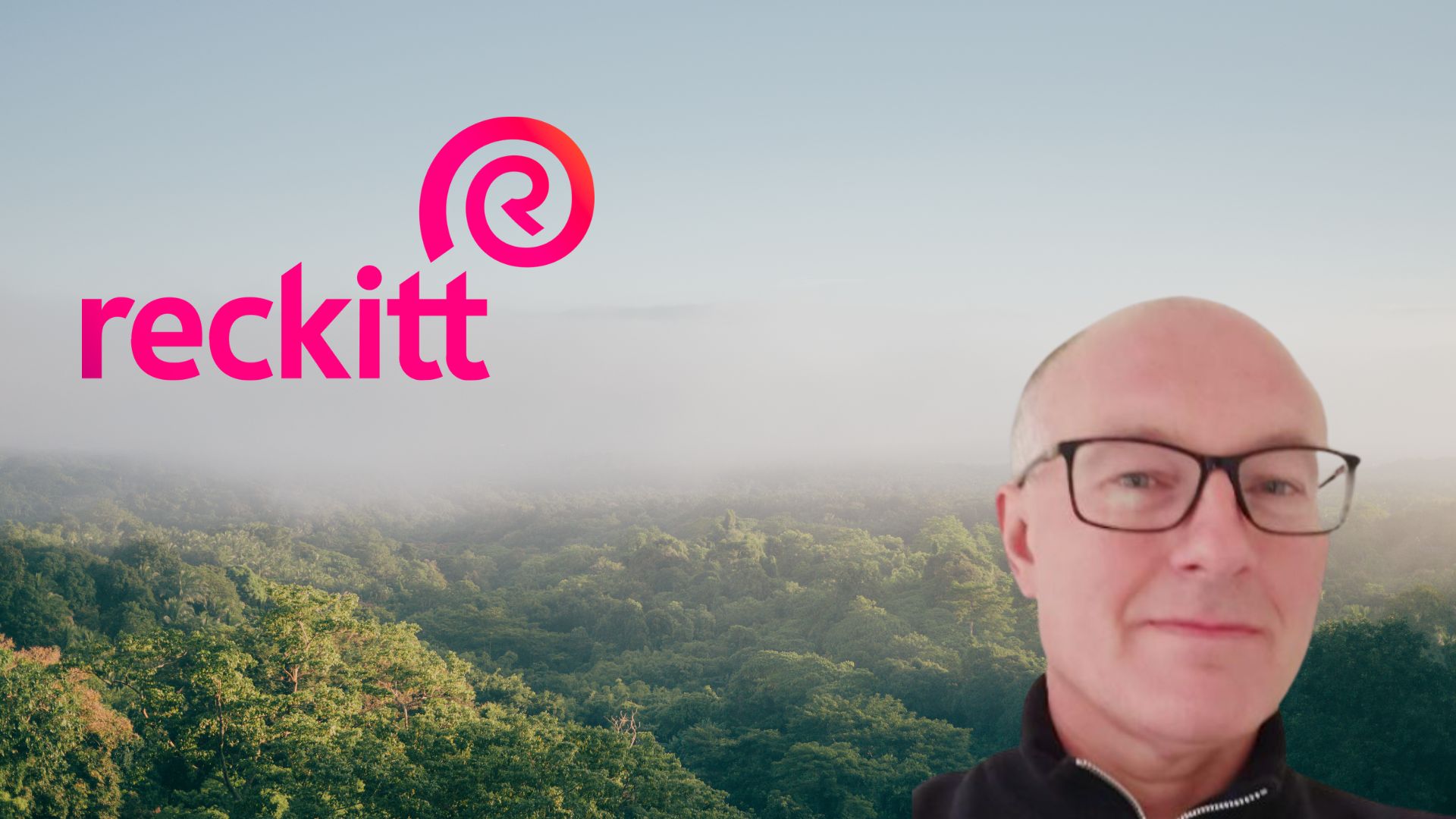
The Packaging School team asked Martin a number of questions to understand why he took the program, the real-world relevance, the impacts of the program, and more.
The "Why"
We asked:
What motivated you to pursue the CSP, and how did you see it helping your career or business needs?
Martin responded:
"I have lots of academic and professional qualifications in business, packaging engineering, polymer science, packaging design and sustainability management, so my learning and knowledge was based on experience, supplier and regulator webinars, conferences and lots of reading which all have their twist on what is sustainable packaging."
"So, I was looking for a packaging-led, unbiased approach to information on sustainable packaging that covered both technical, regulation, design, and business implications and that is why I studied the Certificate of Sustainable Packaging (CSP)."
The Relevance
We asked:
How did the assignments and lessons from the program help you better understand the real-world sustainability challenges?
Martin responded:
"The main thing the assignments and lessons did is made me think and look at sustainable packaging as a whole picture . . . not just a technical need, or a marketing claim but as a total picture of the life of a packaging product which now includes the consumers as a vital part of the solution and problem. Also, proof is vital as many organizations will pick at claims and products to either ambush false or exaggerated claims or to take learnings for competitors to adjust and design their own sustainable packaging."
We asked:
Were there any specific assignments or projects that stood out to you as particularly relevant to your work or interests?
Martin responded:
"They were all good but the section on the UN and regional regulations and commitments I felt was especially vital—as this is ever developing and being adjusted to increase the burden on industry to waste less, recover more and use ever increasing amounts of recycled content or bio/organic renewable sources. I am now signed up to the major regulation bodies worldwide with a specific focus on the EU and California as they are the global leaders in sustainability."
Program Impact
We asked:
What skills or insights did you gain that you feel will benefit your career moving forward?
Martin responded:
"Looking at the full picture, not just the technical needs so moving beyond materials, design and engineering but applying their lessons to all aspects of sustainable packaging—including the section on use of the correct and most relevant sustainable tools that allow accurate Life Cycle Assessment (LCA) predictions; COMPASS works quite well."
We asked:
Would you recommend the CSP to others, and if so, why?
Martin responded:
"Yes! It gives an insight into the true needs to develop sustainable packaging and goes beyond the technical to capture claims, retailers, regulators, consumers but also deals with false flags and greenwashing, arming the student with a bank of useful information to question and get to the truth in a data-driven way."
We asked:
How would you describe the overall experience of the program, including the content, the assignments, and the instructors?
Martin responded:
"The Certificate of Sustainable Packaging is not easy and you have to commit time to gain a real understanding, but in life good things are never easy but usually give the best results and learning."
"I like the mix of powerpoint learning and video content, supported by in-course tests and assignments. It made sure the lessons had been learned, and that the student truly understand the lesson taught."
Learn more about the CSP
As we mentioned above, the CSP is a 40-hour, self-paced program that helps transform you into an internal changemaker equipped with the knowledge base and tools to navigate the trade-offs of sustainable packaging and design truly sustainable packaging systems.
Learn more about the program here!
By signing up you indicate you have read and agree to our Terms of Use. Packaging School will always respect your privacy.
