
A Packaging Professional's Guide to Flexible Packaging
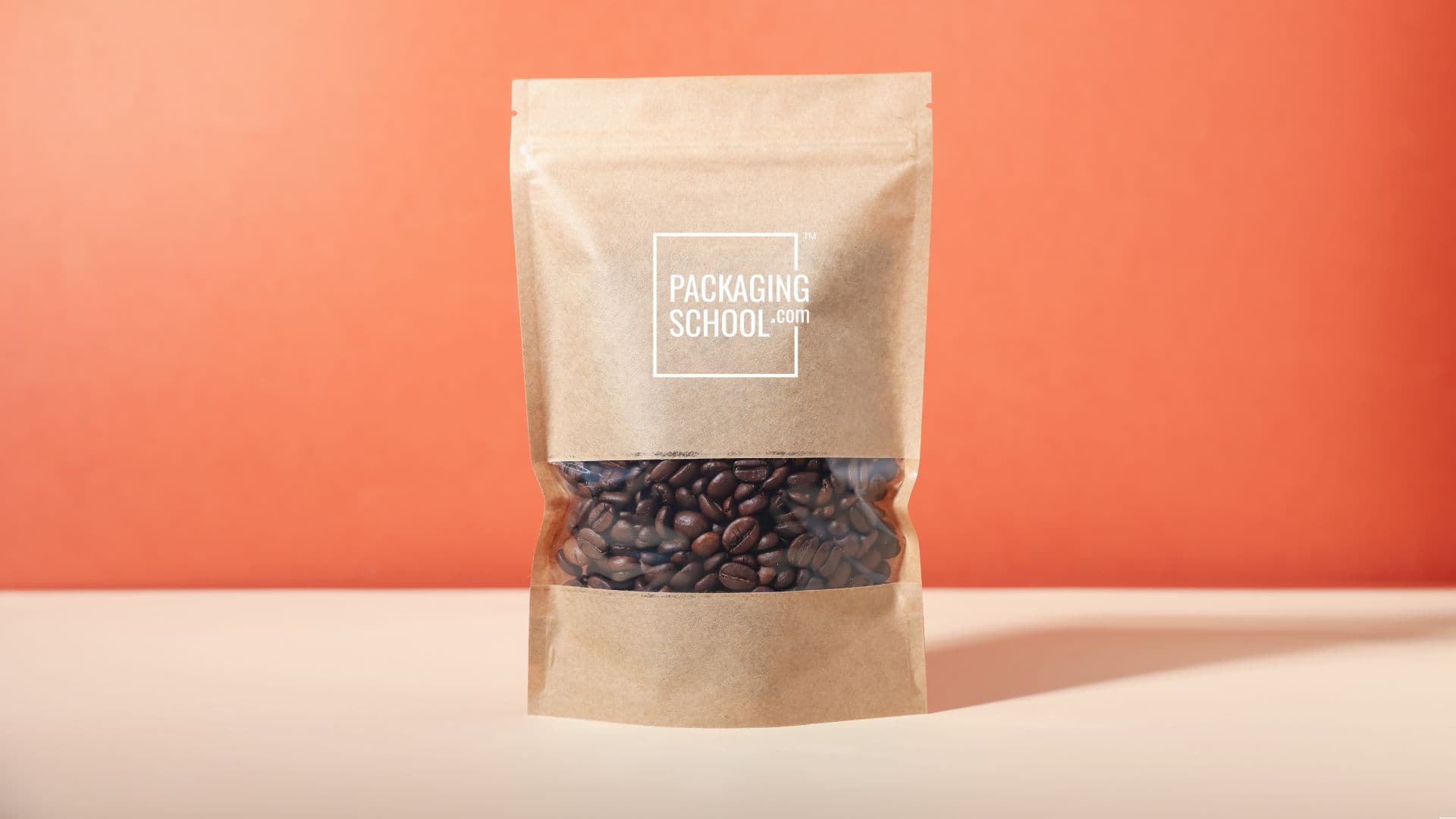
Flexible Packaging refers to packaging made from materials that can be easily shaped, folded, laminated, or sealed and that change form during filling or use.
It is designed to efficiently protect, preserve, and market products while minimizing material usage.
Unlike rigid packaging—such as glass bottles, aluminum cans, and hard plastic containers—flexible packaging typically ships flat, adapts to the product upon filling, and collapses after use. It can be made from combinations of paper, plastic film, or foil and commonly appears as bags, pouches, films, lidding, liners, overwraps, sleeves, wraps, and more.
In this article, we explore the common materials and formats, key characteristics, and benefits and drawbacks of flexible packaging.
Common Materials
Flexible packaging is an ever-evolving category within the broader packaging industry, with common materials including:
Plastic films like polyethylene (PE), polypropylene (PP), polyethylene terephthalate (PET), nylon, and emerging bioplastic materials
Multi-layer laminations (like the coffee packaging above)
Aluminum foil
Paper combined with films or foil
Common Formats
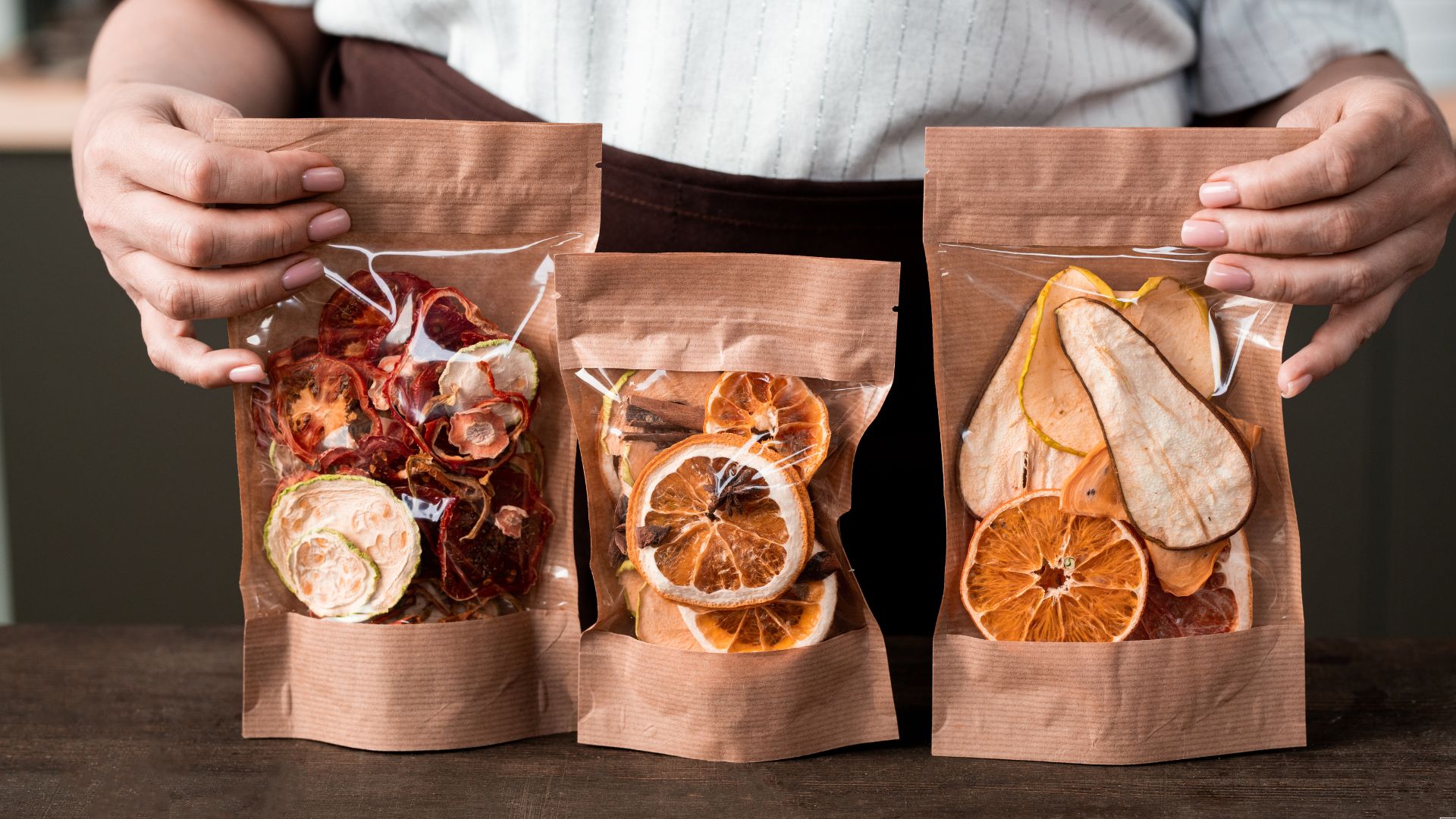
Pouches (stand-up, flat, spouted), such as the dried fruit packaging above
Bags (snack bags, frozen food bags)
Sachets and stick packs
Flow wraps
Lidding films
Rollstock for form-fill-seal operations
Key Characteristics
Lightweight
High barrier (moisture, oxygen, light)
Sealable and printable
Space-efficient for shipping and storage
Multi-layered for performance optimization
Key Benefits
Cost Efficiency: less material and lower transportation cost
Shelf Life Performance: advanced barrier structures protect product freshness
Convenience: resealable features, easy-open designs, portability
Sustainability: lower carbon footprint due to reduced weight
Brand Impact: full surface, high-quality graphics
Key Challenges
Recycling Limitations: Many jurisdictions in the United States lack the recycling infrastructure necessary to collect and process many types of flexible packaging—especially multi-material options in a curbside system.
Rising Extended Producer Responsibility (EPR) Fees: Due to challenges with recyclability, many EPR states (e.g., like Oregon) assign higher fees to flexible packaging formats—especially flexible packaging. Learn more here.
Potential Regulatory Bans on Flexible Material: Some EPR programs (e.g., California’s SB 54) have statutes within them to ban or phase out materials that fail to meet deadlines for recyclability across the state.
Common Examples
.jpg)
Coffee bags with degassing valves
Stand-up pouches for pet food
Snack chip bags
Candy and chocolate wrappers
Yogurt or sauce pouches
Frozen vegetable bags
Vacuum-sealed meat packaging
Shampoo and conditioner sachets
Detergent refill pouches
Learn More about Flexible Packaging
For over a decade, The Packaging School has trained packaging professionals in the art, science, and business of packaging.
If you are interested in learning more about flexible packaging from the comfort of your own home, check out the following programs:
Packaging Foundations:
Packaging materials, including polymers (in flexibles), processes, and functions
Essential vocabulary and systems-level understanding for diagnosing customer needs and offering flexible packaging solutions
80 Lessons | 8 Hours | 6-Month Access
$399 USD
Learn more here.
Intro to Polymers in Packaging:
Polymer types (including flexible polymers like PE, PP, & PET), properties, functions, processing techniques (blow molding, injection molding, etc.), and flexible and rigid packaging operation applications
Practical knowledge essential for flexible packaging sales, empowering team to communicate about materials, barrier properties, cost-performance trade-offs, and conversion opportunities
58 Lessons | 6 Hours | 6 Months of Access
$399 USD
Learn more here.
Food Packaging and Preservation:
Packaging strategies for controlling spoilage and extending shelf life, including material selection and preservation techniques tailored by food type, designed to support informed client conversations about flexible packaging performance
Performance, sustainability, and shelf-life optimization strategies, positioned to strengthen client conversations and highlight the advantages of flexible formats compared to rigid packaging
53 Lessons | 15 Hours | 6 Months of Access
$399 USD
Learn more here.
Intro to Packaging Laws & Regulations:
Regulatory agency background (FDA, EPA, USDA, etc.) and distribution factors impacting flexible packaging operations
Regulatory and logistics considerations that influence packaging format, material, and management decisions
55 Lessons | 6 Hours | 6 Months of Access
$399 USD
Learn more here.
Interested in exploring which program is the best fit for you? Book a call with our Academic Director—Dr. Julie Rice Suggs—here.
By signing up you indicate you have read and agree to our Terms of Use. Packaging School will always respect your privacy.
