
Oregon’s Packaging EPR Program Turns One: Five Takeaways from Its First Year
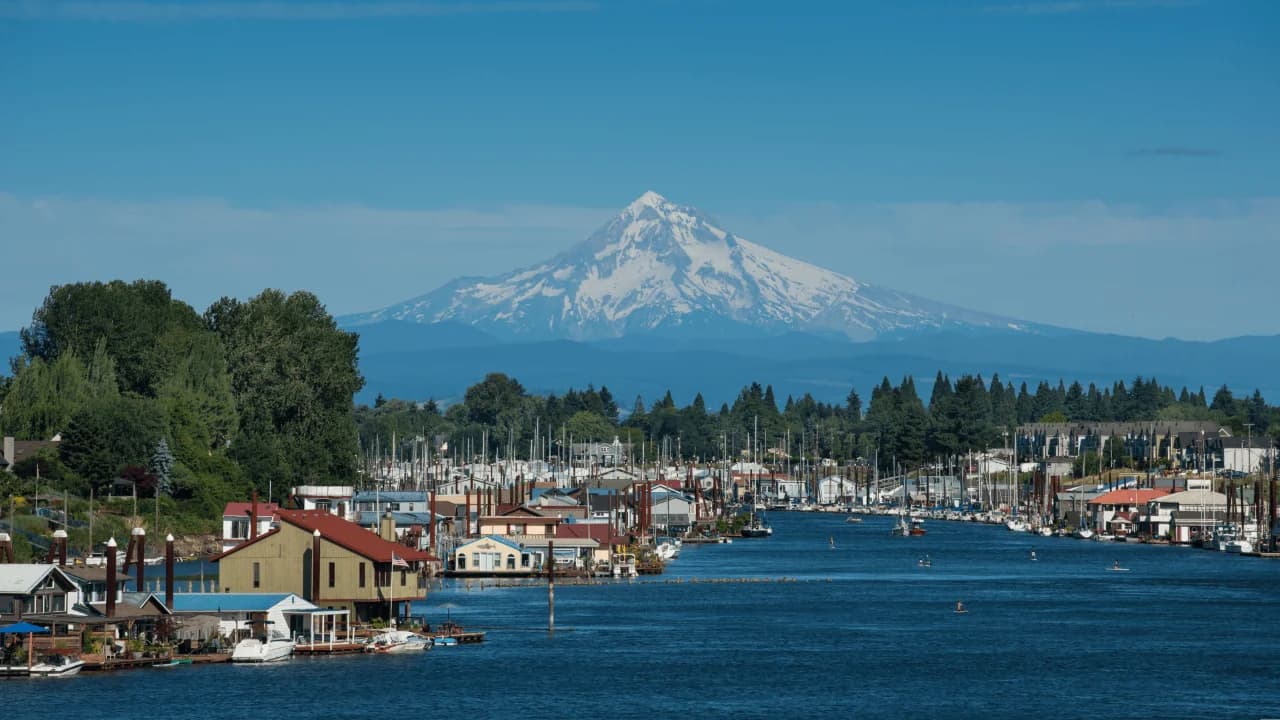
Oregon’s Extended Producer Responsibility (EPR) for packaging program (SB 582) celebrated its first birthday on July 1, 2026. As the nation’s first active EPR program, SB 582 set the course for implementation across the United States and reinforced Oregon’s reputation as a leader in environmental sustainability.
Our team has published numerous articles on the development and implementation of Oregon’s packaging EPR program—including its life cycle assessment-based ecomodulation program. Now that the program has officially completed its first year, we’re exploring five key takeaways based on findings from the Circular Action Alliance’s (CAA) 2025 Annual Report for Oregon’s packaging EPR program.
With the Circular Action Alliance serving as the producer responsibility organization (PRO) for other US states implementing packaging EPR programs, many of the investments and initiatives launched in Oregon are likely to be replicated elsewhere. In other words, Oregon’s first year provides a glimpse into how packaging EPR programs may evolve across the six other states in years to come.
Let’s dive in!
1. Over 144,000 Tons of Packaging & Paper Material Recycled in Just Six Months
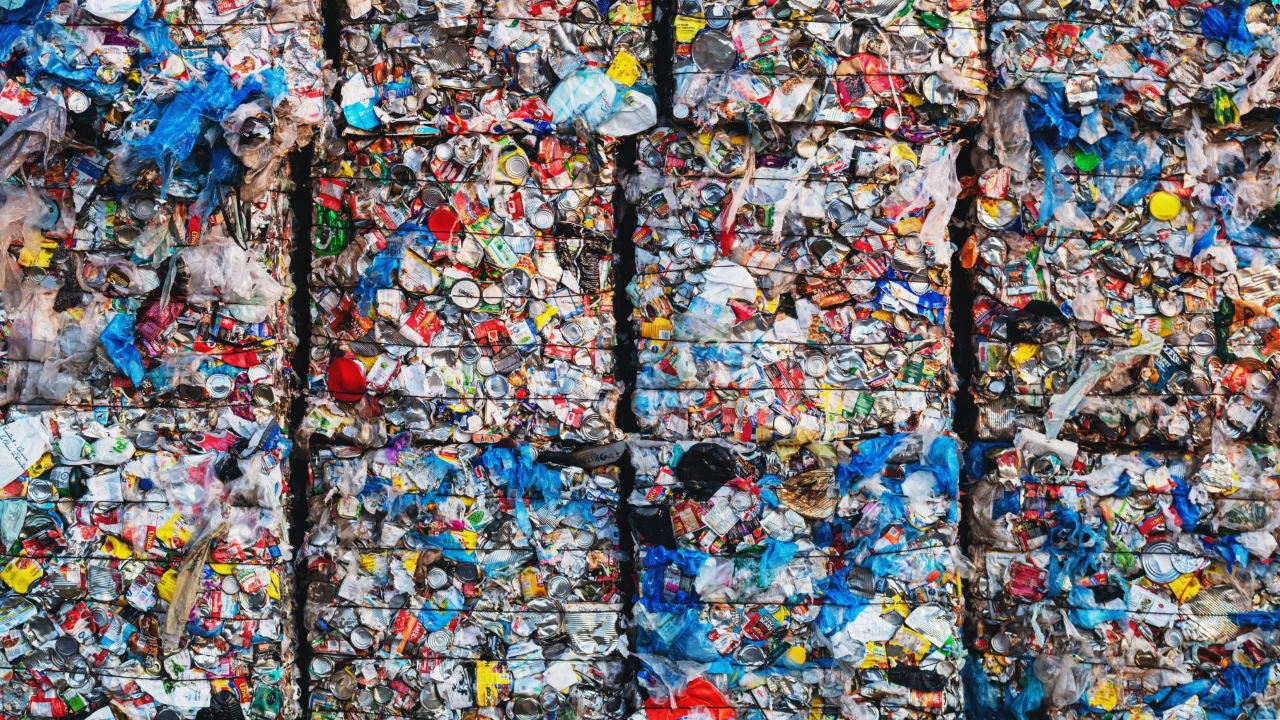
The Circular Action Alliance’s annual report for 2025 notes that in just six months (July 2025 to end of year) the program brought about the processing and recycling of 144,771 US tons of co-mingled material. This equates to 289,542,000 pounds, roughly the same weight as 643 Statutes of Liberty (with each weighing 450,000 pounds). Keep in mind that these results reflect just six months of program operations. The first half of 2025 served as a “build year” to establish the program’s July 1, 2025, launch. If the program had operated for the full calendar year, the volume of co-mingled materials collected and processed could have been nearly double what was reported.
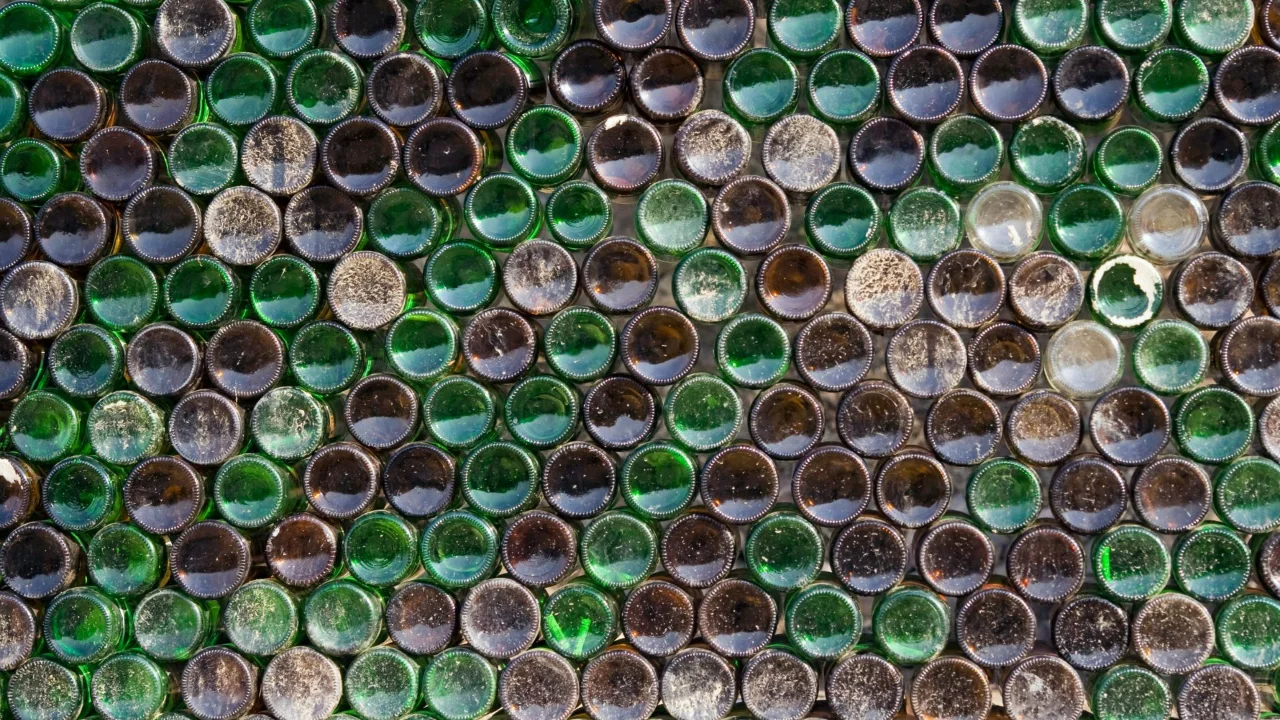
The report notes that 18,888 US tons of glass packaging were collected and recycled, equivalent to 37,776,000 pounds. Glass is reported separately because Oregon collects it in a separate recycling stream rather than with co-mingled recyclables, helping prevent contamination from broken glass.
It’s also important to note that many glass packaging and beverage container formats (primary packaging) are exempt from Oregon’s packaging EPR program since they are already collected and processed through the state’s bottle bill, enacted in 1971—the first bottle deposit system of its kind in the nation.
The early numbers from Oregon are clear: Producer-paid EPR fees are driving collecting, processing, and effective recycling at scale. And this progress comes before a full year of program operations and ahead of the state’s major recycling infrastructure rollout, set for 2026 and beyond. One of the primary goals of any packaging EPR program is to collect, process, and recycle covered materials, and Oregon’s first six months suggest it is moving in that direction.
2. Producer Fees Reinvested into Holistic Recycling Advancements
Like all packaging EPR programs, Oregon’s is designed to reinvest producer fees into advancing recycling infrastructure and community education. Community engagement and education around recycling is one of four key program goals outlined in the 2025 Annual Report. Goal three is defined as: “Improve public participation, understanding and equity in the state’s recycling system.”
This goal is often overlooked compared with other packaging EPR objectives, but without educating communities on how to use new recycling infrastructure, the long-term success of packaging EPR is difficult to achieve.
To help educate the public about the program, Oregon’s Department of Environmental Quality (DEQ) and the Circular Action Alliance (CAA) highlighted several impacts of the education and outreach (E&O) campaigns funded by producer-paid fees in 2025, including:
34 educational resources developed and distributed in 12 languages, generating 1,772 downloads in the six-month period
163 communities engaged through the E&O portal
89% of Oregon adults reached through the first statewide E&O campaign
20 community organizations consulted to help develop and refine E&O materials
These outcomes were achieved in just six months, from July through December 2025. As recycling infrastructure expands, continued investment in education and outreach will remain critical to achieving the program's broader goals—particularly Goal 2: "Increase the diversion of recycled materials from disposal."
In 2025, Oregon DEQ and CAA took a holistic approach to recycling infrastructure investments, supporting initiatives across collection, processing, and end markets.
In terms of collection outcomes, producer-paid EPR fees funded 12 recycling trucks and 42,297 recycling containers (curbside recycling bins).
For processing, the report notes that $19,200,000 USD was paid to material recovery facilities (MRFs) that process co-mingled recyclables known as CRPFs. Additionally, the program funded the opening of the nation’s first PRO-managed Contamination Audit Center, with the goal of studying the “composition and quality” of covered packaging EPR materials collected across Oregon. During the program’s first six months, the center completed 544 audits and reported an overall contamination rate of 24.73%.
In terms of end markets, the report states that 95.97% of collected materials were delivered to 44 different “self-attested” end markets in 2025. Oregon DEQ and CAA have a special focus on Responsible End Markets (REM). Although the formal REM verification process was not yet in place in 2025, it is expected to launch in 2026.
If you’re unfamiliar with end markets, they are the businesses that purchase baled recyclable material from MRFs for further processing. For example, an MRF might sell baled PET bottles to a reclaimer, which mechanically recycles them into rPET pellets before selling them to a CPG company.
The breakdown of the 44 end markets in 2025 include:
Recyclers: 24 (54.5%)
Brokers: 16 (36.4%)
Disposal Sites: 4 (9.1%)
As the formal process for REM verification rolls out in 2026, the 2026 Annual Report should have more data and analysis on the types of end markets utilizing materials recycled by CRPFs and other entities in the program.
3. Nearly 3,000 Producers Participating & Reporting but Ecomodulation Lags

Without producers registering and paying packaging EPR fees, investments in recycling infrastructure and community education would not be possible. These initiatives are funded by producer-paid EPR fees.
But producer participation has been strong. The report notes that 2,909 producers enrolled and participated in the program in 2025 and are registered to participate in 2026 and beyond. Despite this strong participation, the Oregon DEQ released a list in May 2026 identifying 304 organizations that failed to register, report, and pay fees after receiving a 90-day notice and DEQ warning.
For the 2,909 who submitted reports on 2024 supply data, the Annual Report notes that 409,510 US tons of covered products (packaging and paper products) were sold into Oregon in 2024—equivalent to 819,020,000 pounds.
If you’re wondering why there’s such a large difference between the amount of co-mingled material collected and processed in 2025 (144,771 US tons) and the 409,510 US tons reported here, the answer lies in the reporting periods. The 144,771 tons reflect material collected and processed during the program’s first six months (July–December 2025), while the 409,510 US tons represent the total amount of covered packaging and paper sold into Oregon by 2,909 producers for the full 2024 calendar year. Producers fees collected in 2025 were based on these 2024 supply reports.
Aside from the mandatory components of Oregon’s packaging EPR program (registration, reporting, fee payment, etc.), participation in ecomodulation programs and other voluntary initiatives remained relatively low during the program’s first year. CAA highlights this challenge in the report, noting limited participation in Ecomodulation Bonus A and LCA reporting, for several reasons, including:
The short window between the programs July 1, 2025, launch the August 15, 2025, Bonus A deadline
The complexity and novelty of both Bonus A and LCA reporting
The program’s build year, with many producers navigating packaging EPR requirements for the first time
The potentially high cost of conducting LCAs to achieve Bonus A that might not be recouped with ecomodulation credits
The team at The Packaging School observed a similar trend through its 2025 outreach efforts related to Bonus A. Many of the thousands of Oregon producers we contacted indicated they were either unaware of the ecomodulation initiative or not yet prepared to participate. Instead, most organizations were focused on preparing their 2024 supply data and establishing the EPR workflows needed for the years ahead.
If your organization is interested in applying for ecomodulation bonuses in Oregon in 2026 and beyond, check out our guide here.
4. Progress Despite Legal Headwinds

While 2025 marks an exciting time for Oregon and the development of packaging EPR across the United States, 2025 and 2026 have also been defined by a growing number of legal challenges to packaging EPR programs.
The first legal challenge came in the same month the program launched, when the National Association of Wholesale-Distributors (NAW) filed a lawsuit in the U.S. District Court for the District of Oregon. The court subsequently granted a preliminary injunction on February 6, 2026, temporarily blocking enforcement of Oregon’s EPR program against NAW member companies.
This case is scheduled for trial July 13–17, 2026, before U.S. District Judge Michael H. Simon. The outcome could have significant implications for Oregon's packaging EPR program and may influence the development and implementation of packaging EPR laws across the United States.
Another four packaging EPR lawsuits have been filed in 2026, including in California, Colorado, and a new challenge in Oregon by Lollicup USA. A core theme in many packaging EPR challenges is the concern that producer-paid EPR fees will ultimately be passed on to consumers at the point of purchase—an issue that contributed to the delay of California’s packaging EPR program in March 2025.
Read more about these lawsuits here.
Despite legal challenges and ongoing friction, the 2025 Annual Report is proof that litigation did not prevent nearly 3,000 producers from registering and paying fees or the program from delivering measurable results during its first six months of operation.
5. 2026 is Already Delivering
While the Annual Report focuses on data and impacts from the program launch in July to the end of 2025, the CAA covers what has been accomplished from January 2026 through the end of June 2026.
January to June 2026 progress was organized in three buckets in the Oregon Annual Report 2025 One Sheet: expanded access, more recycling options, and stronger system performance.
For expanded access progress in 2026, the CAA notes the program funded 20,000 new recycling carts and three new recycling trucks. This brings the total reported recycling carts funded from Oregon producer fees to 62,297 and the total new recycling trucks to 15. This section also highlights that curbside access has been expanded to less urban areas like The Dalles, Roseburg, and Baker City.
In the more recycling options section, the report notes that 10 additional RecycleOn Centers were added between January and June 2026. This brings the total number of RecycleOn Centers funded by the program to 30. RecycleOn Centers empower consumers to collect and drop off hard-to-recycle materials that are not available to recycle via curbside systems, including glass. The goal is to open 140 new centers by the end of 2027, meaning the program has already met 21.4% of its RecycleOn Center expansion goal with over a year and a half to go.
In terms of stronger system performance, the report highlights several improvements, including:
Enhanced sorting of co-mingled materials and glass
Reduced contamination of collected materials (no year-over-year comparison was available)
Greater transparency into the final destinations of collected materials
Looking Ahead to 2027 and Beyond
The Packaging School team is eagerly awaiting the release of the 2026 Annual Report in mid-2027, which should capture the first full calendar year of Oregon’s packaging EPR and provide a clearer picture of what producer-paid EPR fees can deliver.
With a strong start in 2025 and encouraging progress through 2026, the future looks bright for packaging EPR in Oregon and the six other states implementing packaging EPR programs. The outcome of the NAW lawsuit, filed in July 2025, could also mark an important turning point for packaging EPR in both emerging and established EPR states.
Read more about packaging EPR programs in the United States and around the world here.
By signing up you indicate you have read and agree to our Terms of Use. Packaging School will always respect your privacy.
